
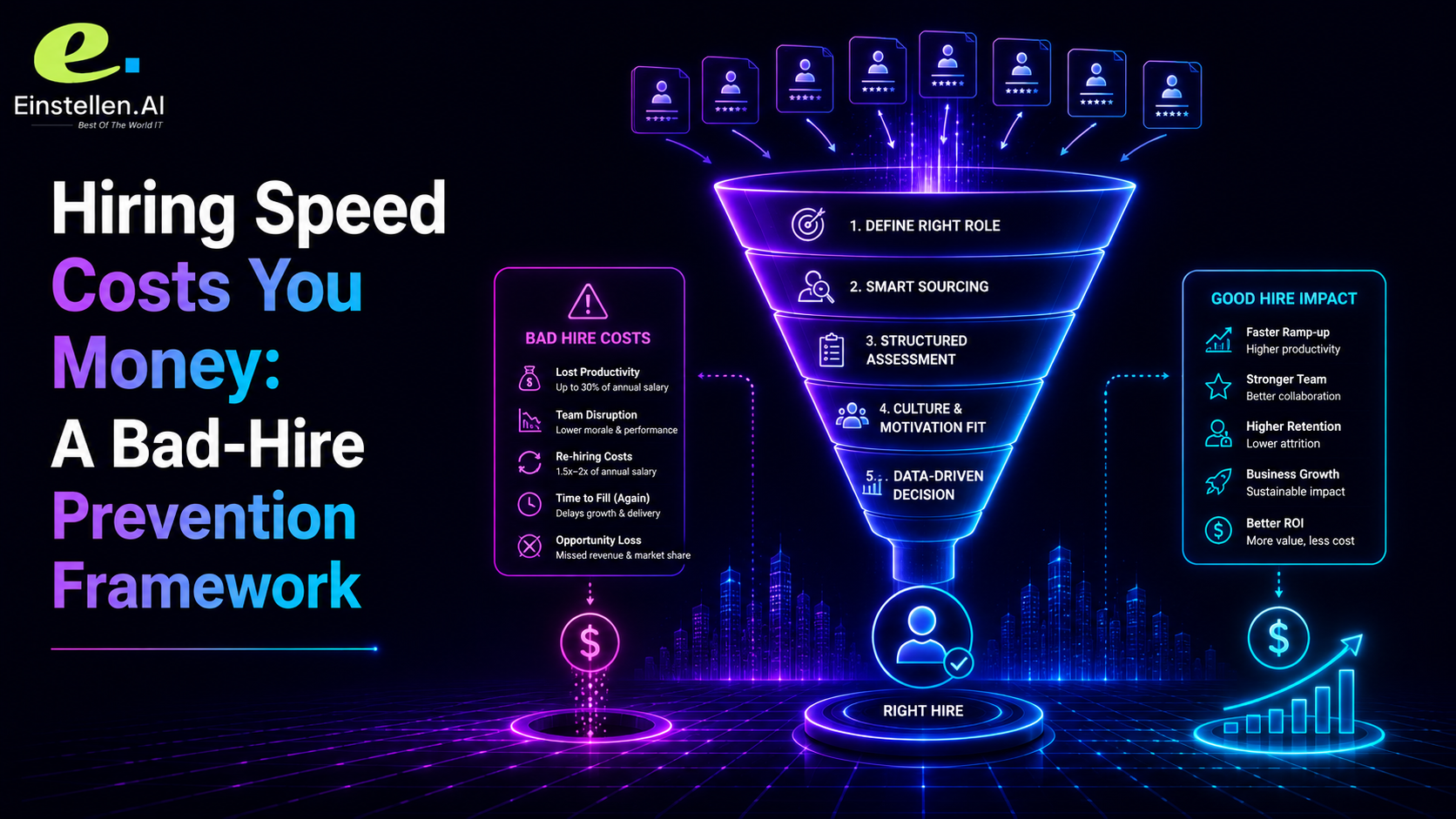
Quick Answer: To reduce time-to-hire for bad hires, fix screening quality before speed. Use structured, justified AI scoring instead of gut-feel resume review, keep pricing pay-per-use to avoid sunk-cost pressure to fill seats fast, and give hiring managers full transcripts, not just a ranking. Speed without explainable screening accelerates bad hires, not good ones.
A hiring manager in Pune closes a req in 11 days. Everyone celebrates the speed. Four months later, the same engineer is off the team, the backfill search starts from zero, and nobody goes back to check what went wrong in the original screening. That's the pattern behind most "fast" hiring processes in India's product and services companies. Speed gets measured. Mis-hire cost doesn't.
Reducing time-to-hire matters, no question. Losing a strong candidate to a competitor who moved faster is a real, documented risk in India's enterprise hiring market. But time-to-hire and hiring quality are not the same metric. Treat them as interchangeable, and you get bad hires happening fast instead of slowly, which is worse, not better. The fix isn't picking speed over rigour or the other way round. It removes the specific bottlenecks that slow rigour in the first place: unexplained scoring, manual resume triage, and per-seat software costs that push teams to close positions before they're actually confident in the candidate.
Why Fast Hiring Produces Bad Hires (Not Despite Speed, Because of It)
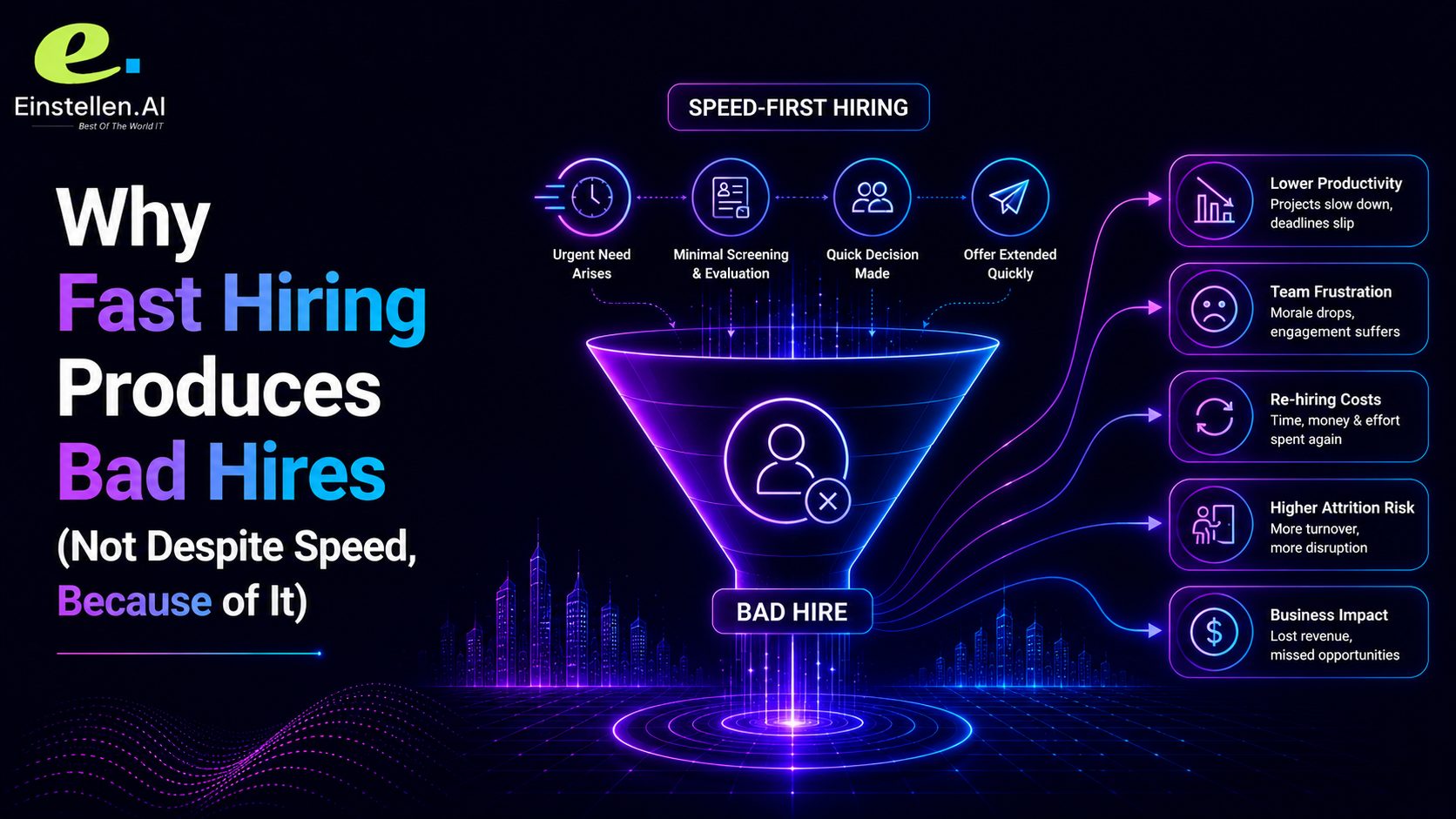
Fast Hiring Produces Bad Hires Fast Hiring Produces Bad Hires Fast Hiring Produces Bad Hires Most time-to-hire pressure gets absorbed by cutting the screening stage, not the offer stage. A recruiter facing 200 applications for one role doesn't read all 200 carefully; nobody does. They skim, shortlist by keyword match, and pass 8-10 candidates to a hiring manager who has 30 minutes per interview slot. Every shortcut in that chain raises the odds that the wrong person reaches the offer stage.
Fixed-script AI interview tools don't fix this; they move it around. They compress interview time but ask the same five questions no matter what the candidate says, so a strong candidate who stumbles on question two never gets a chance to show depth on question four. A vague answer about a specific project should trigger a deeper probe into that exact project. A fixed script moves on anyway, and the score you get back reflects scripted coverage rather than actual signal.
Adaptive, agentic interviewing works differently. humAIn, Einstellen.AI's AI interview engine within Magic OS, listens to what a candidate actually said and generates the next question from that answer, rather than working through a checklist regardless of where the conversation goes. That's the actual mechanism, not a slogan. It produces interview data that looks a lot like what a skilled human interviewer would pull out, in a fraction of the calendar time a live panel round eats up.
Cost Per Hire on an AI Platform: What's Actually Being Compared
Cost-per-hire calculations usually count only sourcing and recruiter time. They almost never count what a bad hire costs once someone discovers it: severance or notice-period cost, the lost ramp-up time of the person who left, the recruiter hours spent re-running the whole search, and the schedule slip on whatever that role was supposed to ship. A mis-hire caught at month four costs dramatically more than one avoided at the screening stage. That gap is where most cost-per-hire math quietly breaks down.
SHRM's 2023 research puts the average cost of a bad hire at roughly 50-60% of annual salary. For a mid-level software engineer in Bangalore earning ₹25L CTC, a single mis-hire costs between ₹12.5L and ₹15L, before you count the schedule slip and the re-hire cycle that starts from zero.
This is where AI recruitment platform cost comparisons get misleading if they only look at the per-interview line item. A ₹249 flat-rate AI interview that produces a structured, justified score and cuts a bad hire off before the offer stage is cheap next to a "free" internal screening process that lets an unqualified candidate slip through because a recruiter had 90 seconds to glance at each resume.
Einstellen.AI's public pricing model is pure pay-per-use: a flat ₹249 per interview, whether a company runs 1 interview or 10,000, no subscriptions, no contracts, no volume pricing tiers to haggle over. Credits never expire. The full report, video, transcript, skill scoring, and fraud detection are included in every credit, no premium add-on tier lurking behind it. That structure removes the incentive to under-screen to protect a subscription's per-seat economics.
AI Job Portal Total Cost of Ownership: The Hidden Line Items
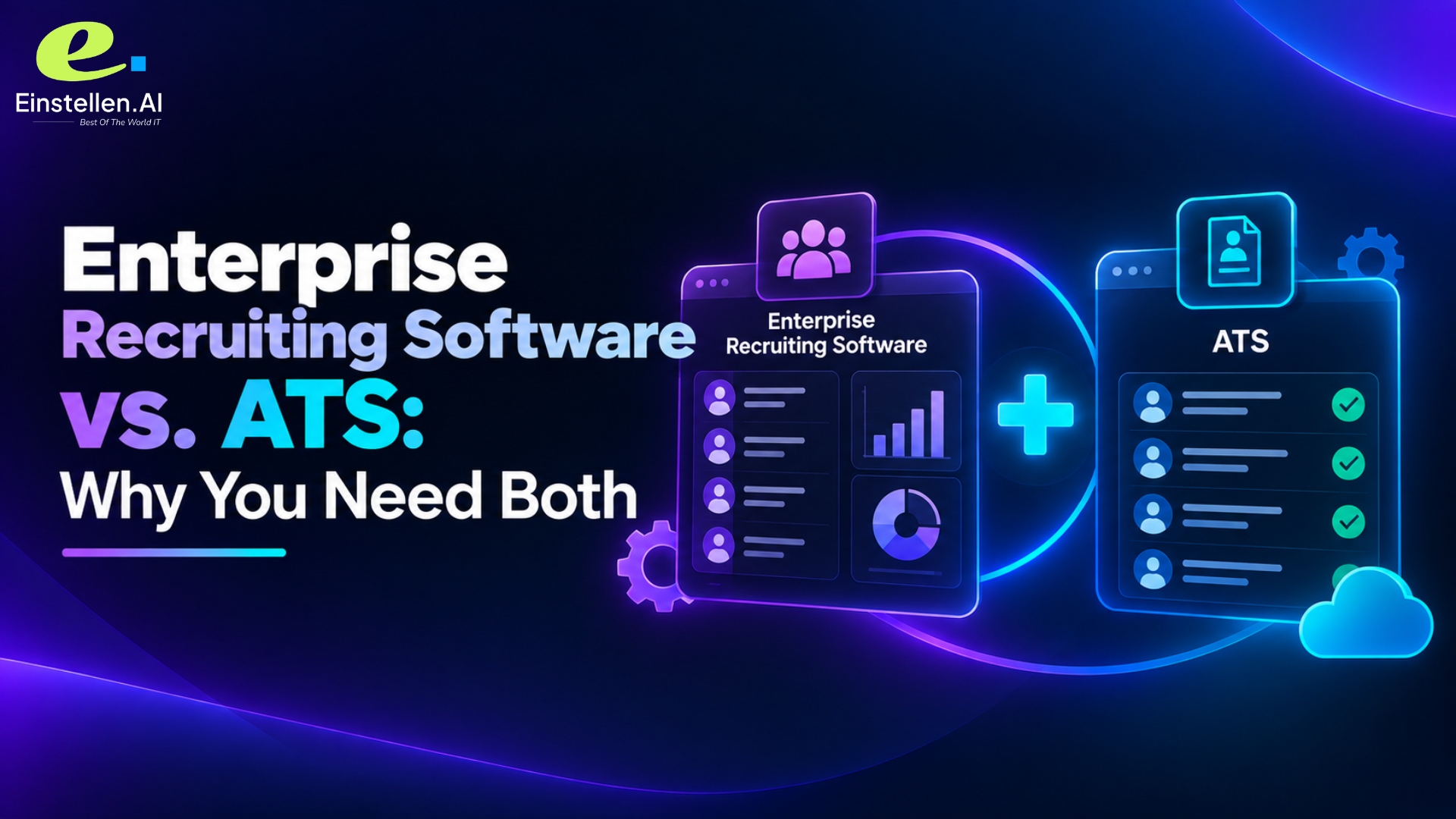
The total cost of ownership for most job-board or ATS-adjacent tools includes much more than the sticker price suggests. Seat licenses, ATS integration surcharges, premium reporting tiers, these are the usual hidden costs that show up after the contract is signed, not before. Convenient for the vendor, less so for you.
ATS integration is a good example of this. Companies have historically been charged extra to connect a hiring tool to the ATS they already run and already pay for. Magic OS integrates with any ATS a company already uses at no additional cost, and the Enterprise page specifically names Greenhouse, Lever, and Workday as native, bi-directionally synced integrations, with scores, transcripts, and reports flowing straight into the existing candidate record. No retraining recruiter workflows from scratch. Describe this to a team that's been charged for integration elsewhere, and you usually get disbelief first, then the question, "so what's the catch?" There isn't one. It just shows how normalised that surcharge has become across the category.
The other hidden cost is opacity itself. A platform that returns a ranking without reviewable reasoning forces a hiring manager to either trust it blindly or re-interview manually anyway, which quietly erases any time savings the tool was supposed to deliver in the first place.
The Cost of a Bad Hire and How AI Prevents It: Explainable Scoring
A score without justification isn't a decision-support tool. It's a number a hiring manager has to take on faith, which is a strange thing to ask of a busy hiring manager. The MAGIC model, Einstellen.AI's underlying evaluation framework, pairs every score with a structured justification report: which answer drove which part of the score, with the full transcript attached. A hiring manager reviewing a borderline candidate sees the actual reasoning, not just a ranking sitting there unexplained.
This matters most for mis-hire prevention specifically because most mis-hires are borderline calls, not obvious rejects. The obvious mismatches get filtered early no matter what tooling you're using. It's the candidates who score reasonably well on a generic assessment but reveal a gap under closer questioning who cause the expensive mis-hires, and that's exactly the gap an adaptive interview is built to surface, and a justified score is built to explain.
This pattern comes up again and again in conversations with TA heads: AI interview scores from other platforms frequently don't correlate with actual on-the-job performance. And the complaint isn't really about AI interviewing as an idea; it's about the missing explainability behind the number. That gap between score and outcome is precisely where mis-hire cost piles up.

AI Hiring ROI Calculator: The Inputs That Actually Move the Number
Any real AI hiring ROI calculation for an interview platform should weigh four inputs: cost per interview, interview volume, mis-hire rate reduction, and integration cost. Most vendor ROI pitches only bother quoting the first two, which tells you something.
At a flat ₹249 per interview with no volume pricing, cost scales linearly and predictably. A company running 500 interviews a month knows its exact spend without a single negotiation call. Fold in the MAGIC model's per-answer justification on every score, and the ROI story shifts. It stops being 'we saved recruiter hours' and becomes "we reduced the number of mis-hires reaching the offer stage," which is the input with the biggest dollar impact and, not coincidentally, the one most calculators quietly skip.
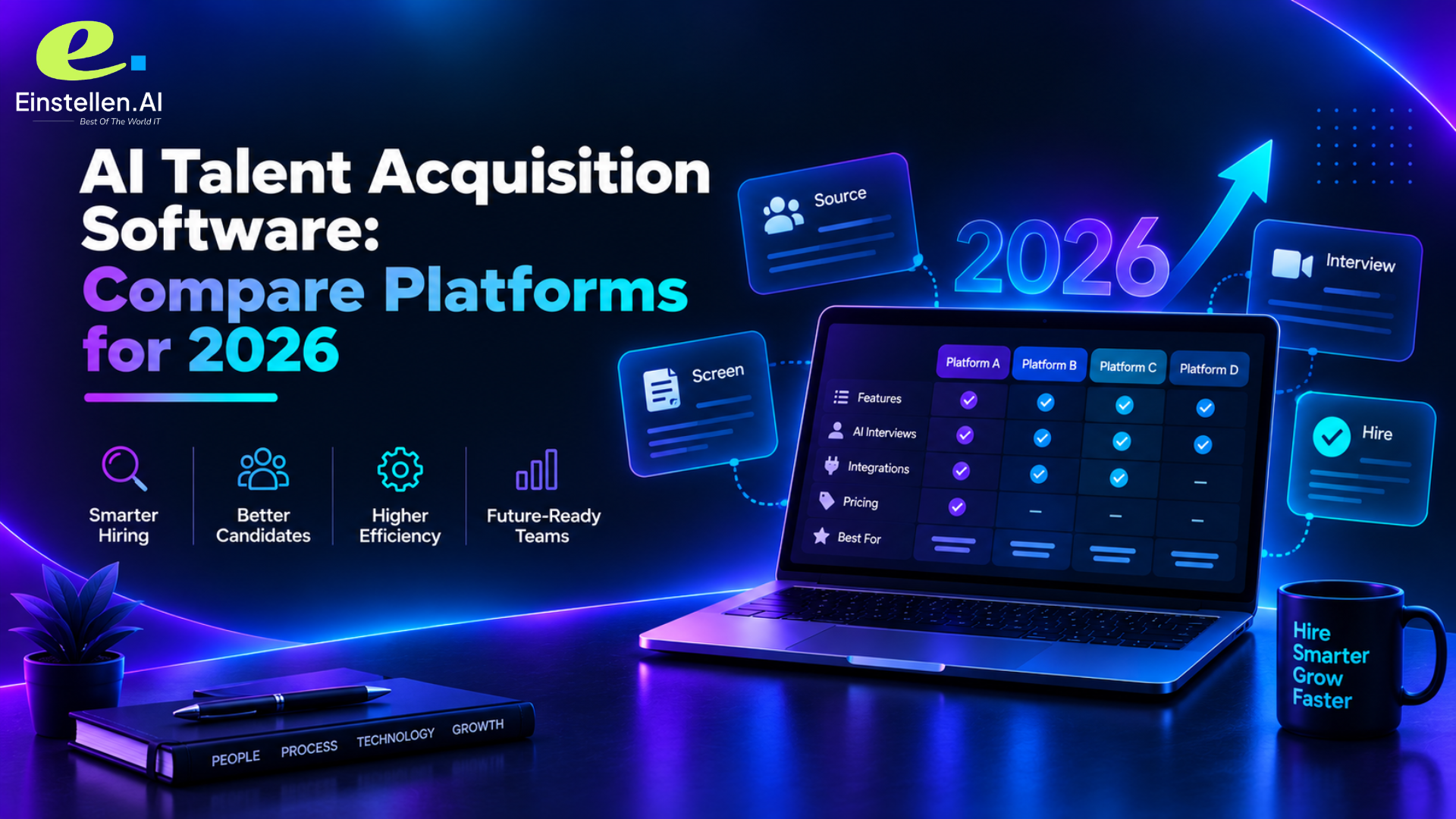
Platform Cost and Screening Quality: Compared
| Cost Factor | Fixed-Script AI Tool (Typical) | Einstellen.ai (Pay-Per-Use Model) |
|---|---|---|
| Interview pricing | Subscription or per-seat tiers | Flat ₹249 per interview, no volume pricing |
| ATS integration | Often an additional paid add-on | Included at no additional cost (any ATS; Greenhouse, Lever, Workday natively synced) |
| Scoring output | Ranking, limited reasoning shown | Structured justification report with full transcript |
| Interview structure | Fixed script regardless of answers | Adaptive questioning based on each answer |
| Credit expiry | Often tied to contract term | Credits never expire |
| Fraud/proxy detection | Varies by vendor | Included within the interview process |
Note: Pricing figures reflect Einstellen.AI's publicly stated model as of the last verified update; confirm current terms before quoting externally.
Proof Point: Einstellen.AI has conducted 150,000+ AI interviews across 1,200+ institutions, backed by IIM Lucknow and NASSCOM. MediAssist's enterprise deployment on the platform produced 92.5% fewer screening interviews required, a 15-day average fulfillment time, a 100% position closure rate, and a 60% interview-to-deployment conversion rate; every score was delivered with a structured justification report, so hiring managers defended shortlisting decisions with documented evidence, not a ranked number.
FAQ
How is scoring calculated on an AI interview platform like this?
Scoring runs on the MAGIC model, Einstellen.AI's evaluation framework, which produces a structured, justified score instead of an unexplained number. Every score comes with a report showing which parts of a candidate's answers drove which part of the result, so a hiring manager can actually see the reasoning behind a borderline call instead of trusting a ranking on faith.
Can candidates cheat an AI interview and inflate the hire quality risk?
The platform builds fraud and proxy detection into the interview process itself, which matters most at high volume, think bulk enterprise hiring rounds or campus placement drives. The exact detection mechanics stay general in public content on purpose, since spelling them out would hand bad actors a way around the safeguard.
What does Einstellen.AI actually charge per interview?
The public pricing model is pay-per-use: a flat ₹249 per interview, whether a company runs 1 or 10,000; no subscriptions, no contracts, no volume-pricing negotiations to go through. Credits never expire, and the full report, including video, transcript, skill scoring, and fraud detection, is included with no premium tier tacked on.
Does integrating this with our existing ATS incur extra cost?
No. Magic OS integrates with any ATS a company is already using, at no additional cost. The Enterprise page names Greenhouse, Lever, and Workday specifically as natively, bi-directionally synced, with scores and transcripts flowing directly into the existing candidate record and no need to retrain current recruiter workflows.
Post Your Role and See the Difference in Screening Quality
If your team keeps closing reqs fast but reopening them just as fast, the bottleneck is screening quality, not calendar speed. Post your role on Einstellen.AI and screen candidates with adaptive, agentic AI interviews that come with a structured justification report on every score, at a flat ₹249 per interview, no contracts, no volume pricing.
Reach an active, currently engaged candidate pool instead of a static resume database, and connect to your existing ATS at no additional cost. Post your job and see the first justified scorecard before your next req deadline hits.








Leave a Comment
Share your perspective. Comments are moderated before publishing.